Impact Reports

NCSE's recent impacts in science classrooms, at statehouses, and in the media.
2026
Mid-Year Progress Report

In early 2026, we fought attempts to misinform students, launched a new program, provided resources to thousands of science teachers, and offered insights to media outlets. 
Impact Highlights

Catalyzing Action

  • Worked with local activists in Arizona to rally opposition to a bill that would have required the teaching of "intelligent design" in the state's public schools.
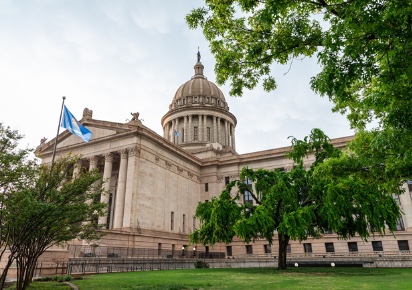
  • Worked with local activists in Oklahoma to organize resistance to two bills aimed at undermining the teaching of evolution. 

Science Education Outreach

  • Provided professional learning opportunities to 413 educators, sharing NCSE’s approach to teaching accurate science, and provided NCSE-created and teacher-vetted classroom resources through 12 workshops, conferences, and events. We also shared those free resources with hundreds of teachers through our website. 
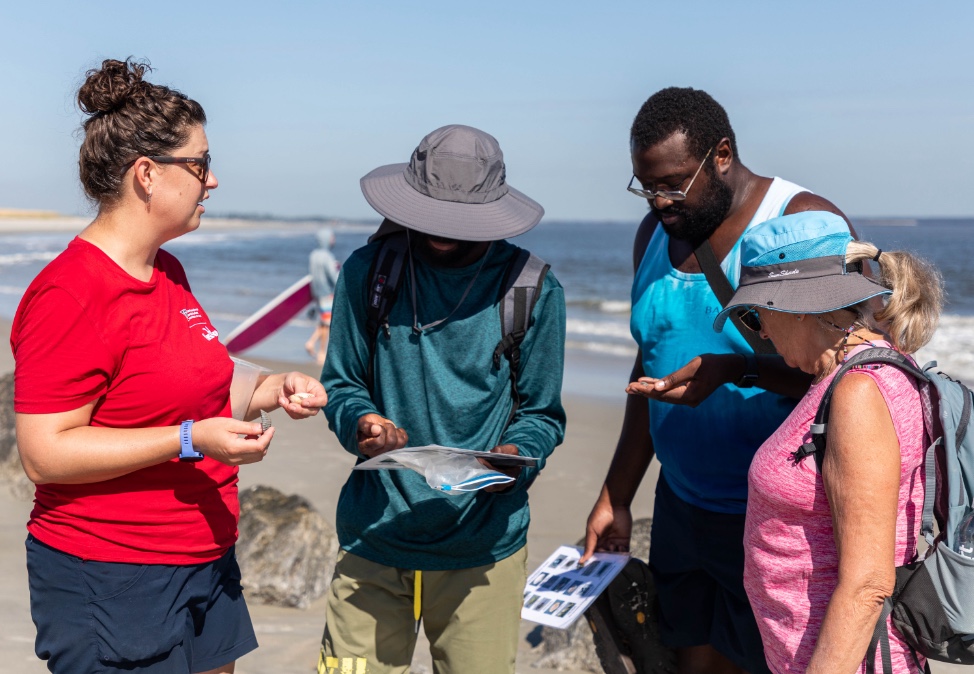
  • Held our third My COAST (Climate-Oriented Authentic Science Teaching) event in Galveston, Texas. Thirty-two science teachers immersed themselves for four days in hands-on activities that demonstrated the impact of climate change on the Texas coast, acquiring knowledge and practices that will enrich their students’ learning experiences.
  • Developed new activities for our DataWISE media and data literacy tool on topics such as environmental impacts of AI and claims about cancer.

Bridging Gaps

We’re excited to have added this fourth program area, which fosters strategic partnerships to enhance science literacy and education.
  • Created a new project called Rebuilding Scientific Trust (ReSeT), collaborating with experts in the fields of science, education, policy, and philosophy to refocus work on the Nature of Science, targeting misconceptions used to challenge sound science.  The ReSet project launched in May with a convening that built a framework that will guide change to science teaching across all levels. 
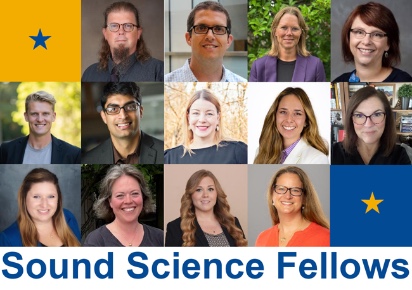
  • Added a second cohort of six Sound Science Fellows who began working with the inaugural seven. The fellows are researching and redefining best practices to engage students in K-12 science education and build trust in science.
 

Investigating Science Education and Informing the Public